




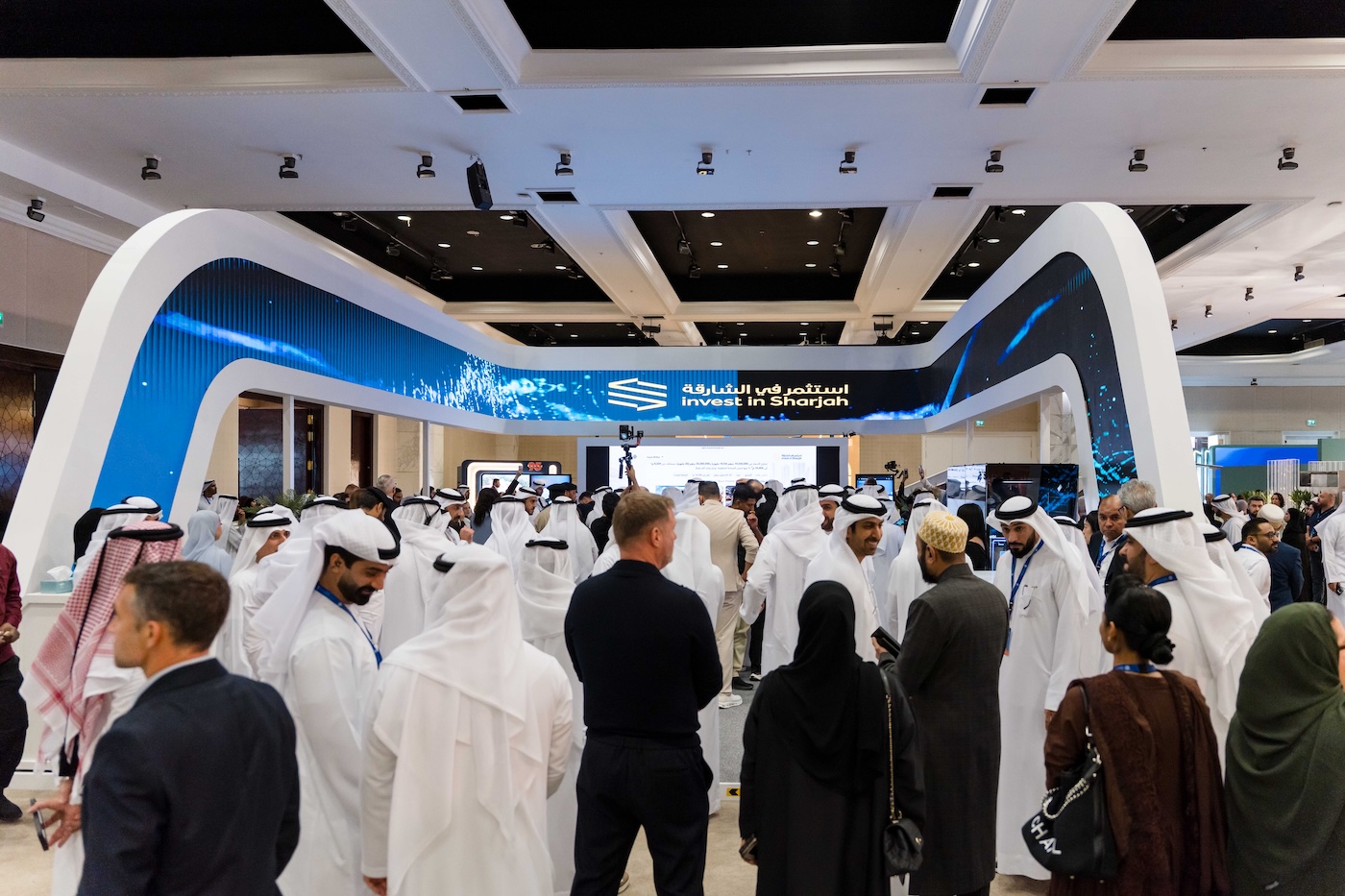
Investors and founders gave a resounding thumbs-up to the business case for AI at the ninth Sharjah Investment Forum (SIF 2026), saying capital in the UAE is now flowing to AI that solves real world problems and delivers measurable returns. And for everyone, UAE is leading that shift, owing to its trusted regulation and digital infrastructure as key draws for AI capital.
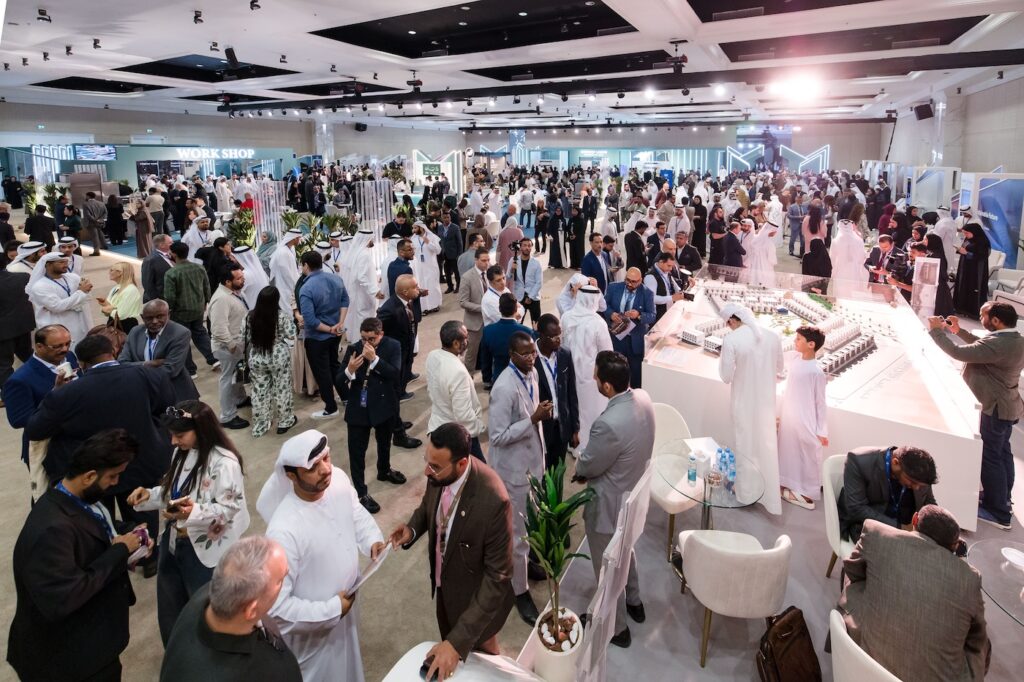
The two-day event held on Oct 14-15 at Sharjah’s Al Jawaher Reception and Convention Centre, organised by the Sharjah FDI Office (Invest in Sharjah) in collaboration with the UAE Ministry of Investment, brings together participants from over 60 countries. And a significant proportion of those attendees are AI start-up founders like Pablo Charron.

For his UAE-based start-up Ayan, the measure of value is the sale itself. The company tracks what AI assistants tell consumers about brands and briefs the teams who sell. In one deployment with a prestige beauty brand across five Gulf markets, frontline advisors’ daily use of the AI brief rose fourfold in 13 weeks. They now win four in 10 shoppers who arrive already influenced by AI.
“AI impact has to be measured where the sale happens, online and in store and the UAE is the right place to build this,” said Charron, founder and chief executive of the UAE start-up that just raised Dh2.2 million in pre-seed funding earlier this month.
“Leaders here decide fast, and AI is already part of how the country runs every day,” said Charron, a Frenchman who moved to the UAE a few years ago to build his AI start-up. “Nobody needs convincing, it matters. They want to know what it changes.”
Rahul Vamadevan, who advises entrepreneurs on finance and strategy, said the advantage now lies in turning AI output into decisions. “AI can give you a bundle of knowledge and information,” he said. “Our uniqueness is connecting with AI to create a new resource and a new solution.”
Funding is following those results. AI and AI-enabled companies in MENA raised $678 million in the first half of 2026, up 81% year on year, according to a study, and the UAE took 93% of that total. In April, the Cabinet approved a plan to run half of government services on agentic AI within two years.
Speaking during a panel discussion hosted by SIF 2026, Jigar Sagar, a prominent UAE-based serial entrepreneur and investor who’s launched and scaled more than 30 ventures across technology, finance, e-commerce, digital marketing, healthcare, and recruitment, with a combined enterprise value exceeding $350 million, reiterated how AI is fast becoming a tool of choice, meant to make business more efficient and cost-effective.
“The value comes when it is applied to a real problem. Traditional sectors such as financial services, education and healthcare have been quick to adapt to AI, and that will change how society functions,” said the founder of the UAE-based Triliv Holdings.
Meanwhile, Saqr Ereiqat, Secretary General of the Dubai Digital Asset Association, said the UAE’s edge lies in having built the foundations early, from regulation to infrastructure and talent.
“We are just at the beginning of this curve when it comes to the digital economy [powered by AI],” he said. “Trust is the new currency, and the UAE is using it to attract capital and talent.”
Amer Al Ahbabi, chairman of Vertix Holdings, said finance will be among the first sectors to change. “AI will play a major role in how money moves and how assets are managed,” he said. “Investors will back systems that build governance and integrity from day one.”
The two-day annual event was held under the theme ‘Building Adaptive Economies’ and aimed to examine how governments and businesses can respond to changing global conditions, strengthen competitiveness and identify new avenues for investment and long-term growth.
