




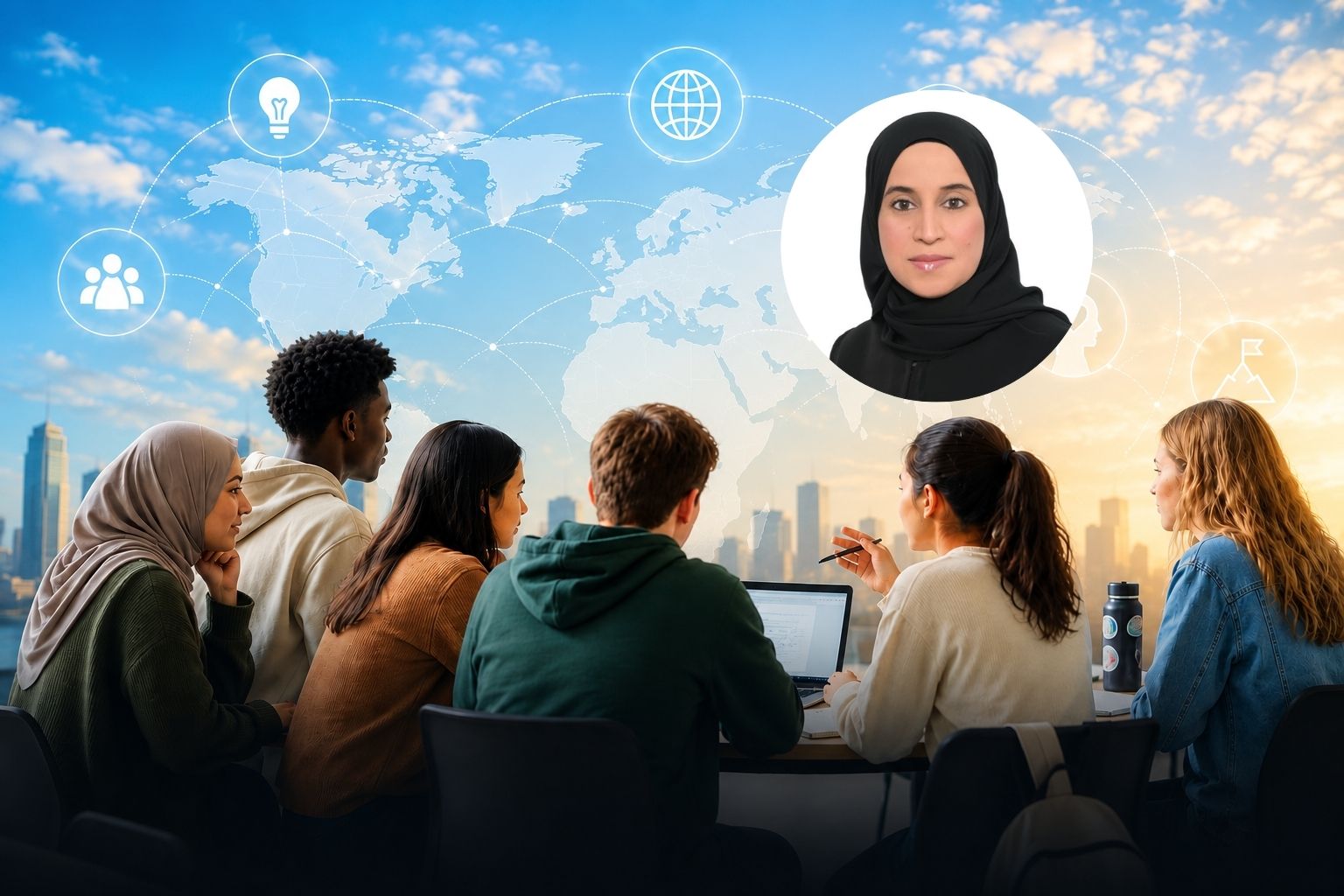
In a world of rapid change and increasing global interconnectedness, a student’s success is no longer determined solely by the country they live in or the educational system they come from. Apart from skill and excellence in their chosen field, what truly shapes their future is their ability to develop competencies that help them thrive anywhere in the world.
Today, students across the globe face similar challenges and opportunities:

· Rapidly changing technology
· Increased diversity
· Continuous innovation
· A job market that evolves every year
For this reason, every student, regardless of their background or curriculum, must actively work on building global competencies and skills that open doors to future opportunities.
Developing these competencies is not the responsibility of schools and universities alone. A supportive environment (ecosystems) such as: family, teachers, friends, and the wider community—plays an essential role. The more encouragement and learning opportunities a student receives, the stronger their ability becomes to acquire global competencies that prepare them for real-world challenges. A student who invests in developing these competencies and skills today will confidently find their place in a competitive, creative, and interconnected world.
What Are these Core Competencies?
1. Teamwork and Building Partnerships
A globally competent student knows how to collaborate, coordinate tasks, and take responsibility. Schools and universities are not just learning spaces; they are environments for building partnerships and working with diverse groups. This skill becomes a strong foundation for future academic and professional success.
2. Empathy and Professional Relationship-Building
Empathy enables students to understand others, listen respectfully, and communicate thoughtfully. It is not only a social skill but also a key factor in forming meaningful and lasting professional relationships in school, university, and the workplace.
3. Diversity and Inclusion
Students today interact with people from different cultures, languages, and perspectives. A globally competent student respects differences and engages with all individuals without bias. This ability allows them to succeed in any learning or work environment around the world.
4. Social Media Management
Social media is no longer just for entertainment. Students must learn how to manage their digital identity, communicate responsibly, and use online platforms to share meaningful content. This competency is increasingly demanded in many career paths.
5. Analytical Thinking and Complex Problem-Solving
A globally competent student analyzes information critically, identifies causes and effects, and develops logical solutions. These skills help them make informed decisions and overcome challenges in academic, personal, and professional settings.
6. Flexibility, Adaptability, and Mental Toughness
Life is full of unexpected changes. Flexibility allows students to adjust quickly, while mental toughness helps them stay focused and resilient under pressure. These traits build confidence and stability during their journey toward future goals.
7. Digital Transformation Skills
The world is becoming more digital. Students do not need to be technology experts, but they should understand how to use digital tools to organize learning, improve productivity, and enhance their daily routines. This understanding offers a real advantage in school and work.
8. Understanding Global Trends
From climate change to technological innovation and global economics, students who stay aware of happenings around the world and international trends are better prepared to make thoughtful decisions and plan for the future. This competency is valuable for students, parents, and employers alike.
The Way Forward
A student with universal competencies is not a perfect student—but one who is actively working to develop themselves. They understand others, build meaningful relationships, use technology wisely, solve problems effectively, and engage with the world with confidence and openness. These competencies prepare them for university life, the job market, and a future full of possibilities in an ever-changing world.
~ Aisha Al-Suwaidi, Advisor (Policies & Research), Federal National Council, UAE
- The views, thoughts, and opinions expressed are solely those of the author.