




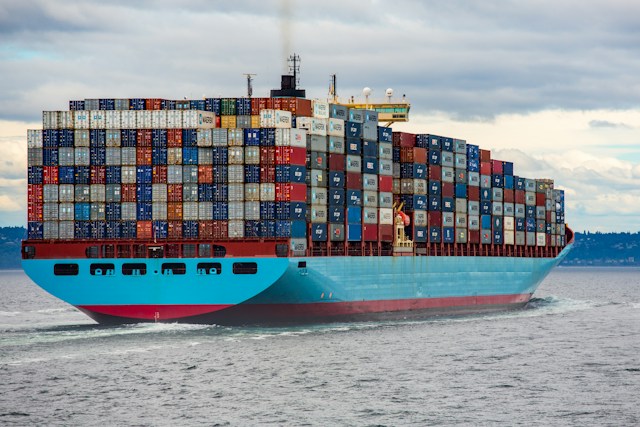
In the present age of global conflicts and geopolitical uncertainty, marine logistics has become increasingly challenging, with businesses facing growing risks of delays, disruptions and unforeseen losses during transit.
For businesses that import or export goods, every shipment represents an investment. Whether you transport electronics, machinery, raw materials or consumer products, unexpected damage, loss or other transit-related incidents can disrupt operations and affect profitability.

Marine cargo insurance helps businesses manage these risks by providing financial protection for insured goods while they are being transported, subject to the policy’s terms and conditions.
Here’s how to choose the right cover for your shipments:
1. Identify the Risks to Your Cargo
Goods can face several risks during transit, including accidental damage, theft, fire, rough handling and certain transport-related incidents. The risks depend on the type of goods, packaging, route, mode of transport and handling arrangements.
“Sea shipments can also expose cargo owners to general average contributions, a share of qualifying extraordinary costs or sacrifices made to save the vessel and cargo from a common danger. This financial obligation can arise even when their own goods are undamaged. We assess the cargo’s value, nature, packaging, route and handling to recommend protection suited to each shipment,” says Ryan George, Director, ASIB.ae, a leading UAE insurance advisory firm with over 20 years of experience and expertise in the sector.”
Understanding your cargo and its journey is the first step towards choosing insurance that protects your business against relevant transit risks.
2. Choose the Right Type of Policy
The right policy depends on your shipping frequency and business requirements.
• Single-Shipment Cover: Suitable for occasional shipments. Cover is arranged for one specified shipment between agreed points and can apply to domestic or international journeys by sea, air or road, as specified in the policy.
• Open-Cover Arrangements: Suitable for businesses with frequent shipments. Cover applies automatically to qualifying shipments within the agreed scope, subject to the arrangement’s terms, limits and declaration requirements.
• Goods in Transit Insurance: Road Movements: Suitable for goods transported by road within the UAE or along agreed routes in the GCC and wider Middle East. Cover can be arranged for individual journeys or ongoing road movements, subject to the policy’s territorial limits and conditions.
International shipments can be insured under either a single-shipment policy or an open-cover arrangement.
“Choose cover around your shipping frequency, routes and transport methods, and confirm that each intended movement falls within the agreed terms,” says Ryan George, Director, ASIB.ae
Do not assume every shipment or mode of transport is automatically covered. Confirm the transit routes, insured parties and applicable conditions before purchasing a policy.
3.0 Check Policy Conditions, Warranties and Cover Limits
Before buying marine cargo insurance, review the conditions and warranties that apply to your goods and their journey by sea, air or land.
Check packaging and cargo-securing requirements, any required surveys, and conditions relating to the vessel or other transport used and applicable security measures.
Confirm the insured value, shipment limits and deductibles, together with cover for loading, unloading and temporary storage during transit. Review key exclusions, including inadequate packaging, inherent vice—loss arising from the goods’ own nature—and losses caused by delay.
Clarify any requirements with your insurance adviser before shipment.
“It is important to understand how your cargo must be packed, transported and secured, and whether surveys are required. These conditions deserve as much attention as the insured value.” ~ Ryan George, Director, ASIB.ae
4.0 Keep Your Shipping Documents Ready
Maintain commercial invoices, packing lists, transport documents, shipment declarations and evidence of the goods’ condition before dispatch.
If damage or loss occurs, notify the relevant parties promptly, document the damage with photographs where possible, preserve supporting records and follow the insurer’s claims notification procedures. Timely action can help avoid unnecessary complications.
5.0 Work with an Insurance Adviser
Marine cargo insurance can involve complex terms, international transit arrangements and differing business requirements. An experienced insurance adviser can help you evaluate your exposure, compare suitable options and understand important policy conditions.
Ryan George said, “ASIB’s goal is to help businesses understand their cargo risks and make informed decisions about the insurance protection available to them. Connect with ASIB.ae’s marine insurance team before your next shipment to understand your risks and explore suitable cargo cover to support your business and supply chain continuity.”
Protect Your Next Shipment
A well-planned marine cargo insurance arrangement can help your business manage unexpected transit losses and protect its financial interests. With over two decades of experience in the insurance market, ASIB.ae brings established expertise to helping businesses understand their marine cargo risks and evaluate appropriate coverage options.
Before your next shipment leaves the warehouse, review your risks, assess your existing cover and seek professional advice where needed.
To learn more about marine cargo insurance and explore solutions suited to your business, visit ASIB.ae
This feature is presented in collaboration with our content partners.
