




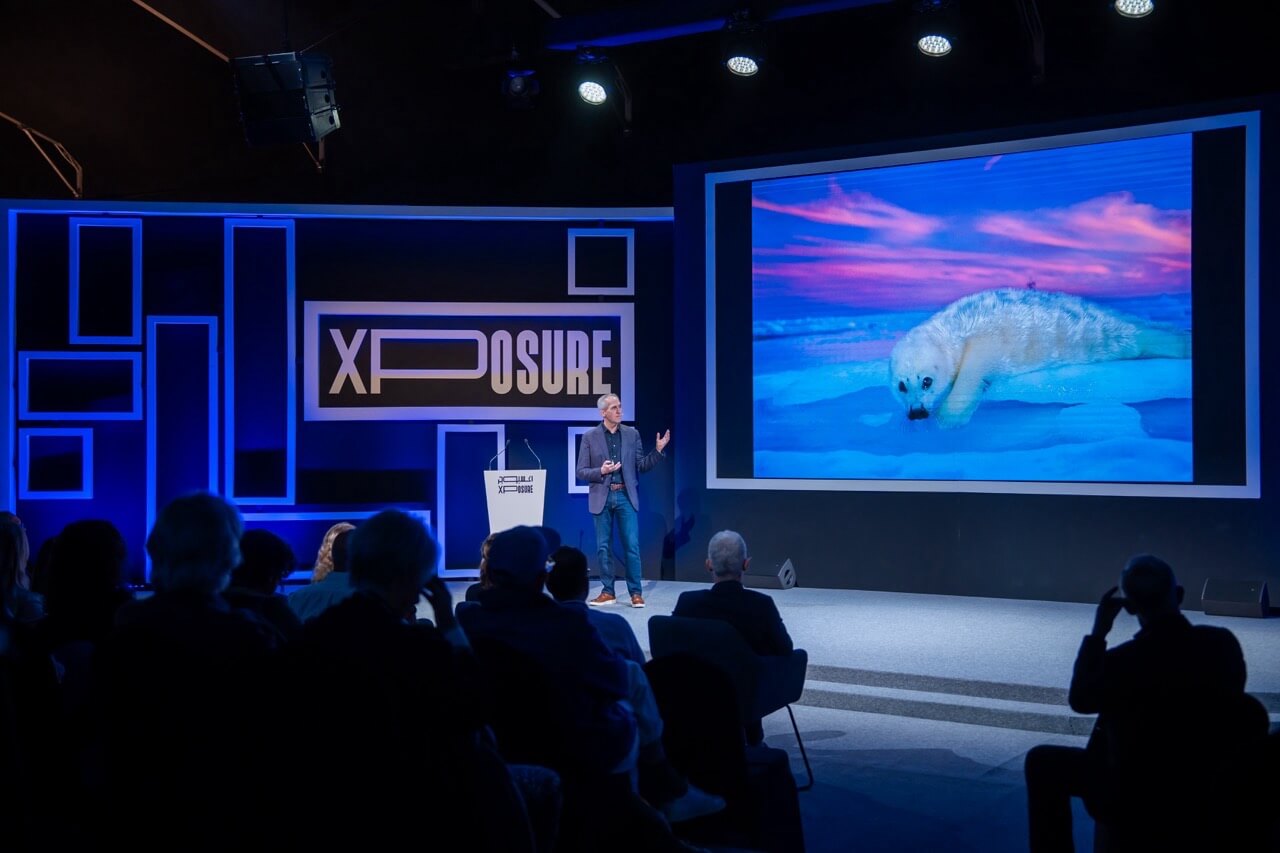
The accelerating collapse of marine ecosystems was placed under the spotlight at the Conservation Summit of the ongoing 10th edition of the Xposure International Photography Festival (2026) in Sharjah, where three internationally acclaimed underwater photographers presented visual and scientific evidence documenting the decline of coral reefs, kelp forests, and ocean biodiversity.
Held as part of the Festival’s 5th Conservation Summit, the programme brought together Dr. Alp Can, Academy Award–winning filmmaker Pippa Ehrlich and National Geographic photographer Brian Skerry. Through long-term photographic projects and field research, the speakers examined how climate change, industrial activity, and local environmental pressures are reshaping oceans at an unprecedented pace.

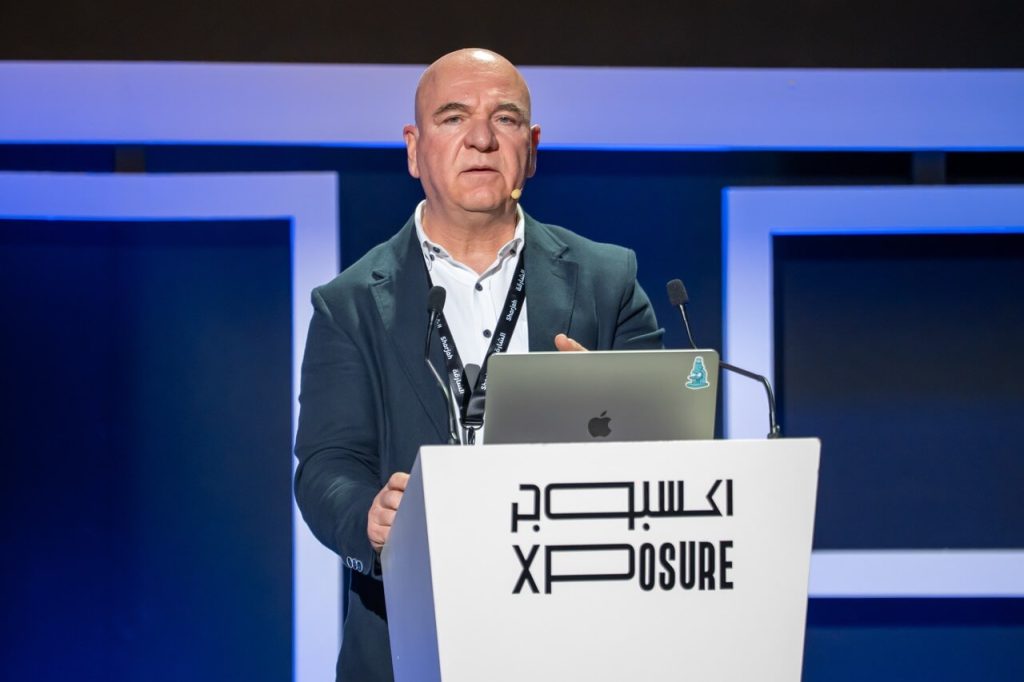
Image Courtesy: Xposure International Photography Festival
Dr. Alp Can, an underwater photographer with more than 2,500 dives, opened the session with ‘A Photographic Odyssey: Rise & Fall of Coral Reefs’. His work traced the transformation of coral reefs from thriving ecosystems into degraded landscapes. Presenting recent findings from Florida, Dr. Can noted that one in five corals has already disappeared. While global warming remains the primary driver, he stressed that local human pressures continue to weaken reef resilience. Although individuals cannot reverse climate change alone, he argued that coordinated action can still reduce cumulative damage.

Image Courtesy: Xposure International Photography Festival
Pippa Ehrlich shifted the focus to kelp forests with her presentation ‘Forests of the Sea’, documenting ecosystems that once lined nearly 30 percent of the world’s coastlines. She revealed that more than 60 percent of kelp forests have deteriorated or vanished within her lifetime. Drawing on her work in South Africa’s Great African Seaforest, Ehrlich described how the global response to ‘My Octopus Teacher’ transformed public awareness. Following the film’s release in September 2020, she said, the overwhelming global reaction enabled her team to launch the 1001 Seaforest Species Project, which has since documented over 900 species and uncovered new ecological relationships, including multi-generational octopus dens.
Ehrlich also outlined the cascading impacts of kelp loss, noting steep population declines among African penguins, the disappearance of great white sharks from certain regions, and alarming reductions in abalone populations that depend on kelp ecosystems.
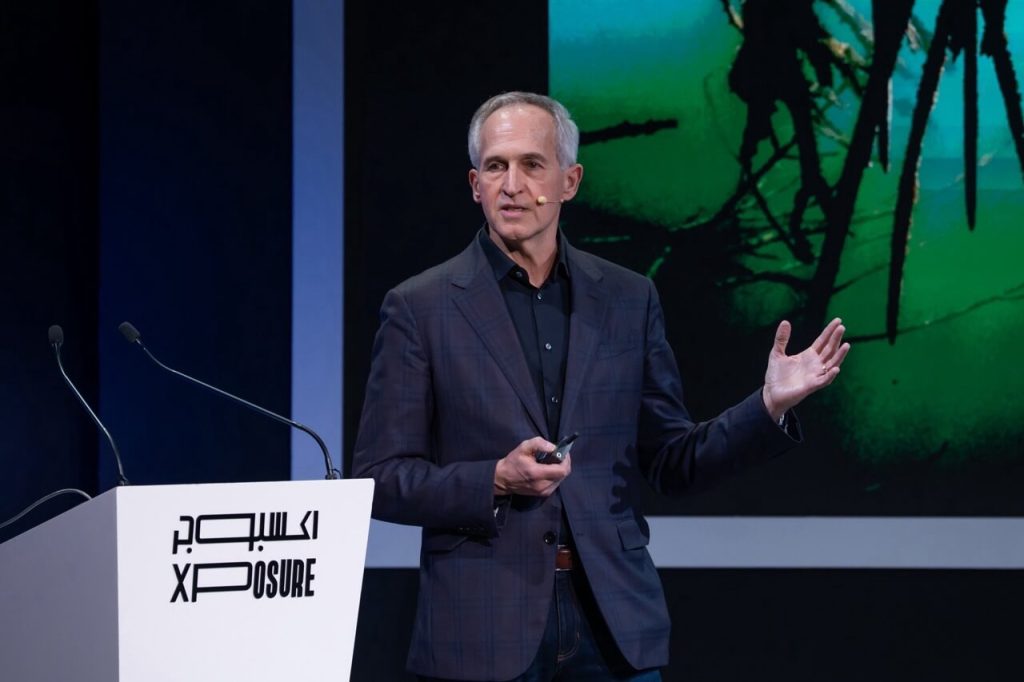
Image Courtesy: Xposure International Photography Festival
Brian Skerry concluded the Conservation Summit session with ‘Ocean Soul’, drawing on four decades of ocean documentation and dozens of National Geographic feature stories. He revisited his 2007 cover story ‘Saving the Sea’s Bounty’, including an image of a thresher shark caught in a gill net that became emblematic of industrial overfishing. While estimates once placed annual shark deaths at 100 million, Skerry warned that current figures may be no lower. He emphasised that the loss of apex predators destabilises entire marine systems.
Despite documenting decline for much of his career, Skerry offered measured optimism, noting that humanity now understands both the scale of the problem and the solutions required. He reminded audiences that oceans account for approximately 98 percent of the planet’s habitable space and concluded by reading an original poem, ‘The Isorax’, written as an ocean-focused homage to Dr. Seuss’s The Lorax.
The Conservation Summit
The Conservation Summit is one of more than 570 creative events at Xposure 2026, which brings together over 420 photographers, filmmakers, and visual artists from more than 60 countries. The festival features 95 exhibitions addressing conservation, environment, culture, and humanity and runs until 4 February at Aljada, Sharjah, under the theme, “A Decade of Visual Storytelling”.
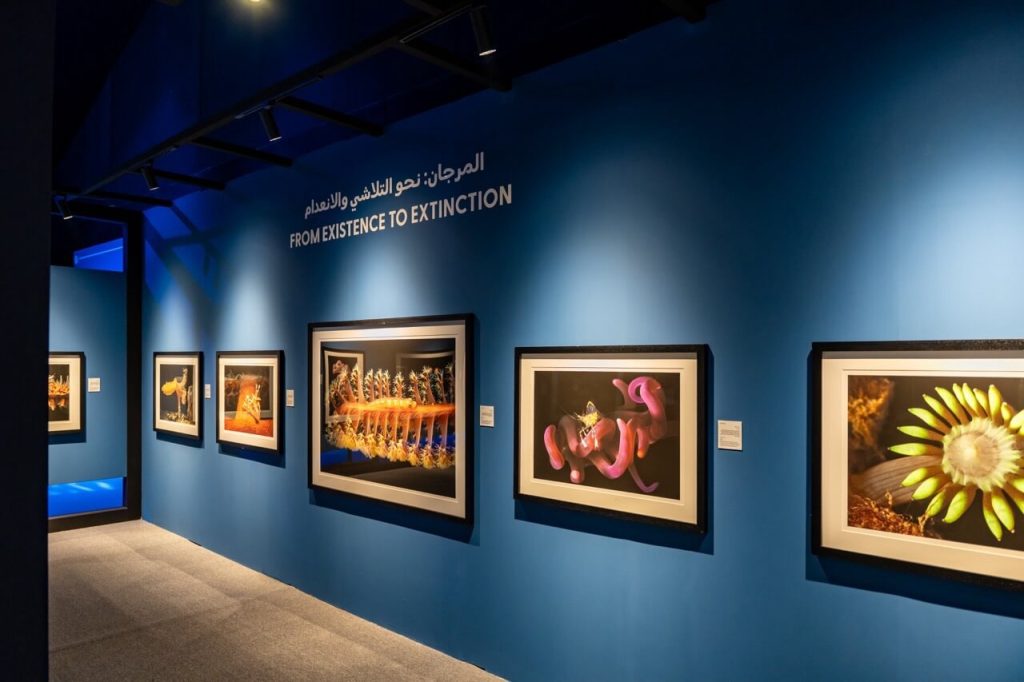
Image Courtesy: Xposure International Photography Festival
