




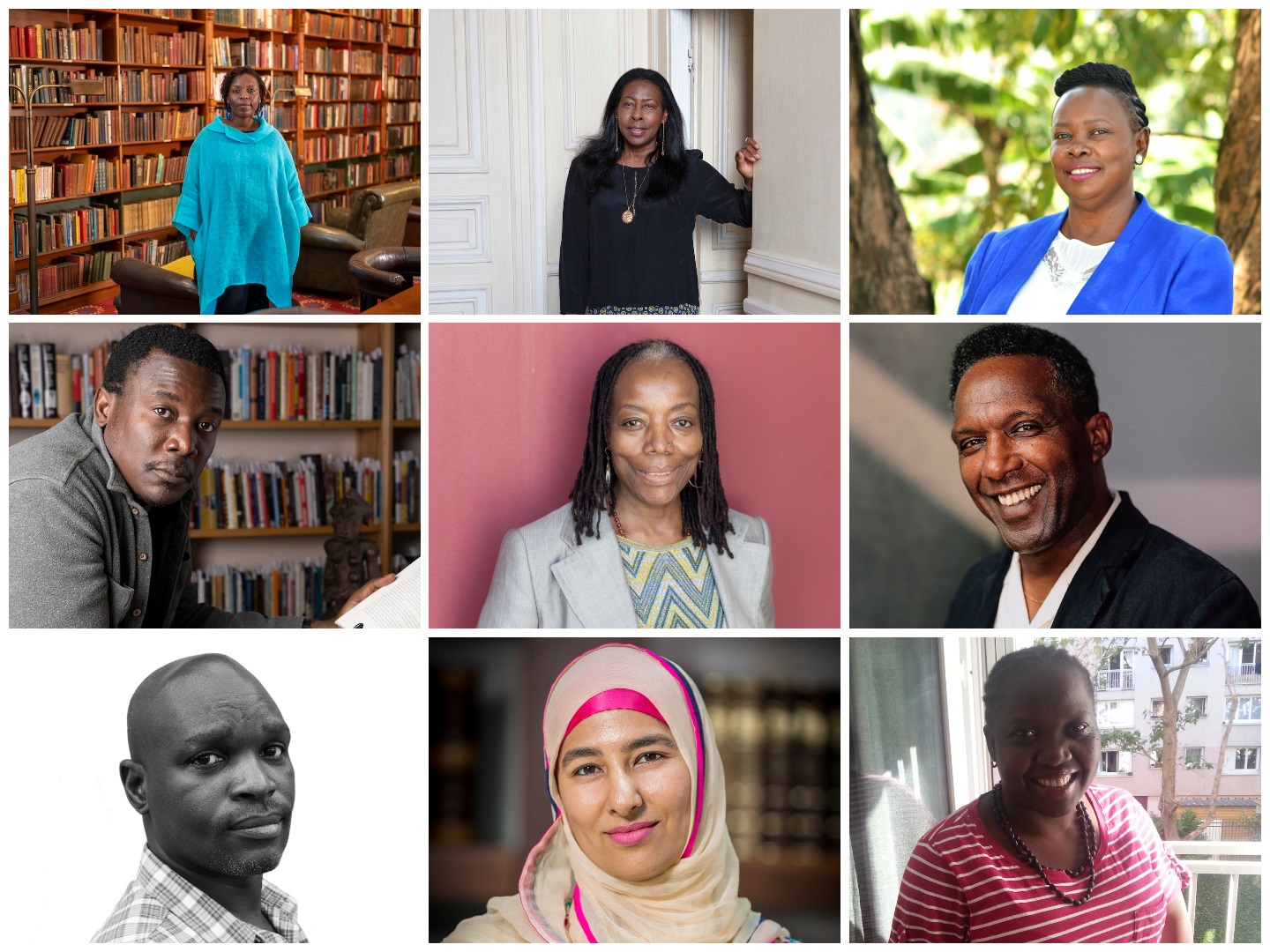
Award-winning authors, novelists and acclaimed poets from across Africa will be coming together for the second edition of the Sharjah Festival of African Literature (SFAL 2026) that will be held from 14 to 18 January 2026.
Organised by the Sharjah Book Authority, the festival is being hosted at the University City of Sharjah, and will feature daily panel discussions, book readings and author signing sessions. The programme will examine African literature past and present, with a focus on oral storytelling; literature’s relationship with music, dance and the environment, illustration and visual storytelling; and the role of African cities as spaces of narrative discourse.

The Prominent Authors in the Guest List
This year’s guest list showcases the diversity of African narrative traditions and aims at promoting cultural dialogue between Africa and the Arab world. The prominent literary figures confirmed to attend are:
Lemn Sissay, the British poet, writer and playwright of Ethiopian heritage, widely regarded as one of the leading contemporary voices in spoken word and narrative literature. Sissay has performed on major international stages, from the US Library of Congress to the National Theatre of Ethiopia and the London Palladium. He received the Hay Festival Medal for Poetry (2024), has served as the official poet of the London Olympics, as Chancellor of the University of Manchester, and is a Sunday Times bestselling author.
Zimbabwean writer Tsitsi Dangarembga, author of the celebrated “Tambudzai Trilogy”, of which one was shortlisted for the Booker Prize.
Tanzanian writer Nahida Esmail, a leading author of children’s and young adult literature and recipient of multiple African literary awards.
Richard Mabala, another Tanzanian writer and cultural activist known for his contributions to educational literature and young adult fiction in both English and Kiswahili.
Zimbabwean writer and scholar Siphiwe Gloria Ndlovu, who won the Best International Fiction Book Award at last year’s Sharjah International Book Fair Awards.
Rwandan writer Scholastique Mukasonga will take part with her acclaimed novel “Our Lady of the Nile”.
Nigerian author Sefi Atta, one of Nigeria’s most influential narrative voices, will also participate, with a body of work spanning novels, short stories, theatre and children’s literature.
Kọ́lá Túbọ̀sún, the second writer from Nigeria who is a specialist in literary translation and African language advocacy.
Writers from East Africa include Ugandan writer and filmmaker Dilman Dila; Ugandan author Beatrice Lamwaka, President of PEN Uganda and board member of PEN International; and leading Ugandan novelist Goretti Kyomuhendo, founding director of several initiatives supporting African writers.
Her Highness Sheikha Bodour bint Sultan Al Qasimi, Chairperson of Sharjah Book Authority, had said in a statement: “SFAL reflects the global cultural role Sharjah has earned as an inclusive international hub that views literature as a shared human space beyond borders and classifications. This role — which the emirate upholds with responsibility and long-term commitment — is becoming increasingly central to the course of world literature. It strengthens cultural diversity, enriches local literary practice through global exchange, supports translation, expands the international presence of writers and publishers, and affirms literature as a vital force in shaping global awareness.”
Ahmed bin Rakkad Al Ameri, CEO of the Sharjah Book Authority, has emphasized that the Festival promoted cultural dialogue while providing a platform for African literature.
“The continuity of the SFAL is the result of the cultural vision of His Highness Sheikh Dr. Sultan bin Mohammed Al Qasimi, who has firmly established literature as a bridge between peoples. The new edition, under the leadership of Her Highness Sheikha Bodour bint Sultan Al Qasimi, reaffirms the Authority’s commitment to expanding cultural dialogue and highlighting creative diversity worldwide. The festival provides a distinctive platform to explore African literary experiences, engage with them critically, support translation and publishing, and generate knowledge that reflects the depth and influence of this literature.”

